
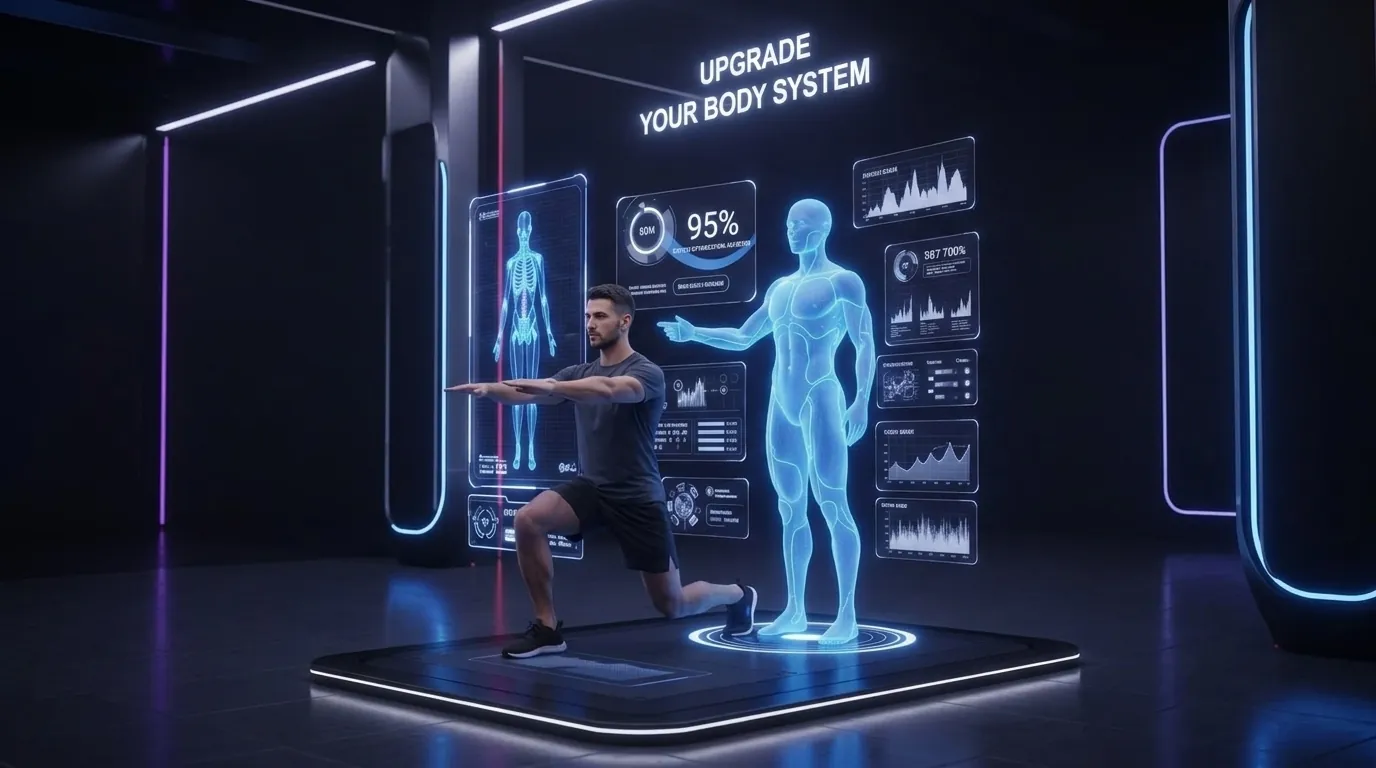

For many potential members, a gym’s website is their first interaction with the brand. Before visiting the gym, they may want to know what facilities are available, how much memberships cost, which classes are offered, who the trainers are, and what other members think about the gym.
This makes a modern website an important part of the fitness experience. A website should do more than provide information. It should help people discover the gym, understand what it offers, take the next step, and stay connected after they become members.
So, what do gym members expect from a fitness website in 2026?
1. A Mobile-Friendly Experience
Many people use their phones to find and interact with businesses. For a gym, this may include checking class schedules, viewing membership options, finding the gym’s location, or booking a trial session. Because of this, a fitness website must work well on mobile devices. Pages should load quickly, information should be easy to find, and important actions should be simple to complete. Members should be able to view membership plans, check class times, book a trial or training session, contact the gym, find opening hours, and complete registration forms without any difficulty.
The main goal is simple: members should be able to use the website easily, no matter what device they are using.
2. Simple Membership and Booking
Joining a gym should not be difficult. Potential members should not have to call, visit the gym, or send several messages just to understand the membership options. A good fitness website can show membership plans clearly and allow people to register online. It can also help members book fitness classes, schedule personal training sessions, reserve trial sessions, make payments, and manage their memberships. This can also reduce administrative work for gym owners. When customers can complete simple tasks online, staff have more time to focus on the people inside the gym. A simple online process creates a better experience for both members and staff.
3. A More Personal Experience
Every member joins a gym for a different reason. Some people want to build strength, while others want to improve their fitness, manage their weight, stay active, or create a healthier routine. A website can use technology to provide information that matches each person’s needs. For example, visitors could answer a few questions about their goals and receive suggestions for suitable classes, programs, or services. Personalization can also help gyms send more useful messages and offers based on a member’s interests and activity. Instead of showing the same information to everyone, the website can make the experience more relevant to each person.
4. AI Can Help Members and Staff
Artificial intelligence is becoming a useful tool for fitness businesses. An AI assistant on a website can answer common questions about memberships, class schedules, trainers, facilities, opening hours, and other basic information. This allows visitors to get answers quickly without always waiting for a staff member. AI can also help gyms organize information, send routine messages, and provide more personalized support. However, technology should support the human side of fitness, not replace it. Trainers, coaches, and staff provide knowledge, motivation, and personal support that technology cannot fully offer. The best approach is to use AI for simple and repetitive tasks while allowing fitness professionals to spend more time helping their members.
5. Speed and Simplicity Are Important
A website does not become better simply because it has more technology. It may include attractive animations, videos, and interactive features, but if it loads slowly or makes basic information difficult to find, visitors may leave. A successful fitness website should combine good design with easy usability. It should load quickly, have simple navigation, provide clear information, include easy-to-use forms, work smoothly on mobile devices, and guide visitors toward important actions. Every part of the website should have a clear purpose. Whether someone wants to check a class schedule, learn about a trainer, explore membership options, or sign up for a membership, the entire process should feel simple, clear, and natural.
6. Help People Understand the Gym Before They Visit
Choosing a gym is not just about its equipment or location, it is also about finding the right environment. Potential members want to know what the gym looks like, what facilities and equipment are available, what the atmosphere feels like, and what kind of community they can expect. High-quality photographs, videos, virtual tours, trainer introductions, member stories, reviews, and testimonials can give people a better idea of the experience before they visit. Instead of simply telling potential members that your gym is great, your website should show them what makes your gym different and why it could be the right place for them.
7. Connect the Website With the Business
A website becomes even more useful when it connects with the systems your gym already uses, such as membership software, booking tools, payment systems, member records, and communication platforms. When these systems work together, information can move between them automatically, reducing the need for staff to enter the same information multiple times. For example, when a new member registers through your website, their information can be added to the membership system, a confirmation can be sent automatically, and the onboarding process can begin without extra manual work. This can save time, reduce errors, and give your staff a clearer view of member information. Your website should not operate separately from your business; it should be a connected part of how your gym manages and serves its members.
8. Security and Privacy Build Trust
Fitness websites often collect personal information, membership details, contact information, and payment information, so members need to feel confident that their data is safe. Secure payment systems, protected forms, reliable hosting, regular software updates, and clear privacy policies can help create a safer and more trustworthy online experience. Although website security may not always be visible to customers, it plays an important role in building confidence and showing members that your gym takes their information and privacy seriously.
9. Your Website Should Grow With Your Gym
A fitness website should not be treated as a one-time project because both your business and your customers’ expectations will continue to change. As your gym grows, you may introduce new classes, trainers, membership plans, facilities, services, or digital tools, while your existing website may become outdated, slow, difficult to use on mobile devices, or unable to support your changing needs. A website redesign gives your business an opportunity to improve the overall user experience, modernize the design, improve speed and mobile performance, simplify membership and booking processes, and connect the website with other business systems. It can also make it easier to introduce features such as personalized recommendations and AI-powered support. The goal of a redesign is not simply to make your website look newer, but to make it more useful, effective, and aligned with the needs of both your business and your members.
The Future of the Digital Gym
The fitness website of the future will be more than an online brochure; it will become an important part of the entire member journey. A potential member may discover your gym through social media, visit your website to explore the facilities, compare membership options, ask an AI assistant questions, book a trial session, register online, and receive helpful information after joining. Behind the scenes, the website can connect with your membership, booking, payment, and communication systems, helping your team manage member information and daily tasks more efficiently. The physical gym will always remain at the heart of the fitness experience, while technology can make everything around it easier, faster, more convenient, and more connected.
Conclusion
The way people discover, compare, and interact with gyms is changing. A modern fitness website needs to do more than display a gym’s location, facilities, and membership plans. It should help potential members understand what your gym offers, see its value, take the next step, and stay connected after they join. Features such as mobile-friendly design, simple booking, personalized content, AI support, engaging visuals, member reviews, connected business systems, and strong security can create a smoother and more useful digital experience.
For gym owners, the important question is no longer, “Do we have a website?” The better question is, “Is our website helping our gym attract, convert, and serve members?”
A well-designed website can become an extension of your gym, connecting your brand, staff, systems, and members through one connected digital experience. In 2026, your gym may be physical, but the member experience increasingly begins online.
